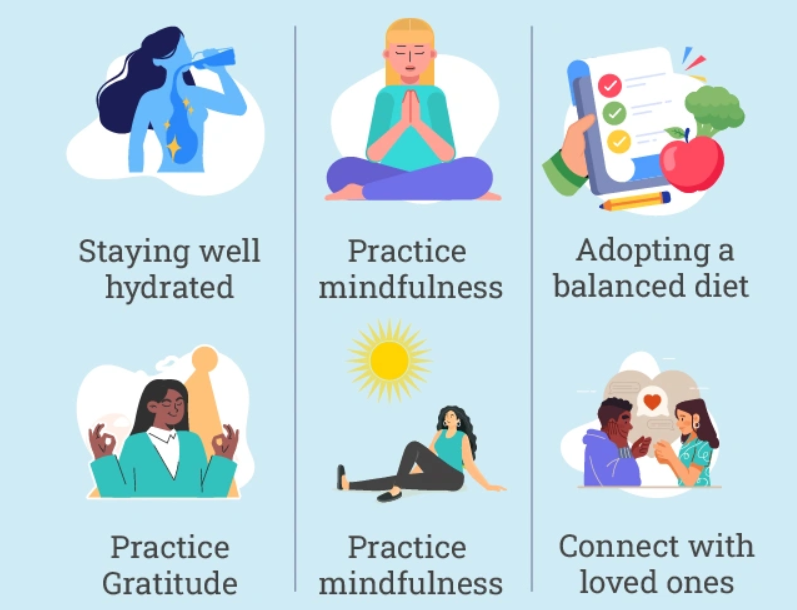
Mental health plays a crucial role in overall well-being, affecting how people think, feel, and interact with the world around them. While many individuals associate mental health improvement with therapy or medical treatment, daily habits can also have a powerful impact on emotional stability and psychological well-being.
Small lifestyle changes practiced consistently can significantly improve mood, reduce stress, and strengthen resilience. By adopting simple yet effective habits, people can support their mental health and maintain a healthier balance in their daily lives.
Below are ten everyday habits that can help improve mental health and promote a more positive mindset.
1. Getting Enough Sleep
Sleep is one of the most important factors affecting mental health. When the body does not get enough rest, it can lead to increased stress, irritability, and difficulty concentrating.
Quality sleep allows the brain to process emotions, regulate mood, and restore energy levels. Most adults need between 7 and 9 hours of sleep each night to function at their best.
Establishing a consistent sleep schedule and reducing screen time before bedtime can help improve sleep quality.
2. Staying Physically Active
Regular physical activity is strongly linked to improved mental health. Exercise helps release endorphins, which are natural chemicals in the brain that promote feelings of happiness and reduce stress.
Activities such as walking, jogging, cycling, or even light stretching can help reduce anxiety and improve overall mood. Just 20 to 30 minutes of exercise a day can make a noticeable difference.
Physical activity also improves energy levels and supports better sleep, both of which contribute to better mental health.
3. Practicing Mindfulness and Meditation
Mindfulness involves focusing on the present moment and becoming more aware of thoughts and emotions without judgment. Meditation is one of the most common practices used to develop mindfulness.
Regular mindfulness practice can help reduce stress, improve emotional regulation, and increase self-awareness.
Even a few minutes of quiet breathing or meditation each day can help calm the mind and reduce mental clutter.
4. Maintaining Social Connections
Humans are naturally social beings, and strong relationships play a major role in mental well-being. Spending time with friends, family members, or supportive communities can help reduce feelings of loneliness and isolation.
Talking with trusted people about challenges and experiences can provide emotional support and improve resilience during stressful situations.
Even small interactions, such as phone calls or casual conversations, can strengthen social connections.
5. Limiting Social Media Use
While social media helps people stay connected, excessive use can sometimes negatively affect mental health. Constant exposure to curated images and comparisons may lead to feelings of inadequacy or anxiety.
Taking regular breaks from social media can help individuals focus more on real-life experiences and reduce unnecessary stress.
Setting daily limits for screen time can help create a healthier balance between online and offline activities.
6. Eating a Balanced Diet
Nutrition plays a significant role in both physical and mental health. A balanced diet provides essential nutrients that support brain function and emotional stability.
Foods rich in vitamins, minerals, and healthy fats — such as fruits, vegetables, whole grains, and fish — can help support cognitive health and mood regulation.
Staying hydrated and avoiding excessive sugar or processed foods can also contribute to better mental clarity and energy levels.
7. Practicing Gratitude
Gratitude is a powerful habit that can shift focus from negative thoughts to positive experiences. Taking time each day to recognize things to be thankful for can improve mood and promote optimism.
Some people practice gratitude by keeping a journal where they write down a few positive moments from their day.
Over time, this practice can help train the mind to notice positive aspects of life more frequently.
8. Setting Realistic Goals
Setting achievable goals provides a sense of direction and accomplishment. Whether related to work, education, or personal growth, clear goals help individuals stay motivated and focused.
Breaking large tasks into smaller, manageable steps can reduce feelings of overwhelm and increase productivity.
Celebrating small achievements along the way can also boost confidence and improve overall satisfaction.
9. Taking Time for Hobbies
Engaging in hobbies and activities that bring joy is essential for maintaining mental balance. Creative activities such as painting, writing, gardening, or playing music can help reduce stress and provide a sense of fulfillment.
Hobbies offer an opportunity to disconnect from daily pressures and focus on activities that promote relaxation and enjoyment.
Regularly dedicating time to personal interests can improve emotional well-being and reduce burnout.
10. Practicing Self-Compassion
Many people are often more critical of themselves than they are of others. Practicing self-compassion means treating oneself with kindness and understanding during difficult moments.
Accepting that mistakes and setbacks are part of life can help reduce feelings of guilt or frustration.
By developing a more supportive internal dialogue, individuals can strengthen emotional resilience and maintain a healthier mindset.
Conclusion
Mental health is influenced by many aspects of daily life, and small habits can make a meaningful difference over time. By prioritizing sleep, staying physically active, maintaining social connections, and practicing mindfulness, individuals can support their emotional well-being.
Adopting positive habits does not require dramatic changes. Instead, consistent small actions can gradually build a healthier and more balanced lifestyle.
Taking care of mental health is an ongoing process, and incorporating these everyday habits can help create a stronger foundation for long-term well-being.