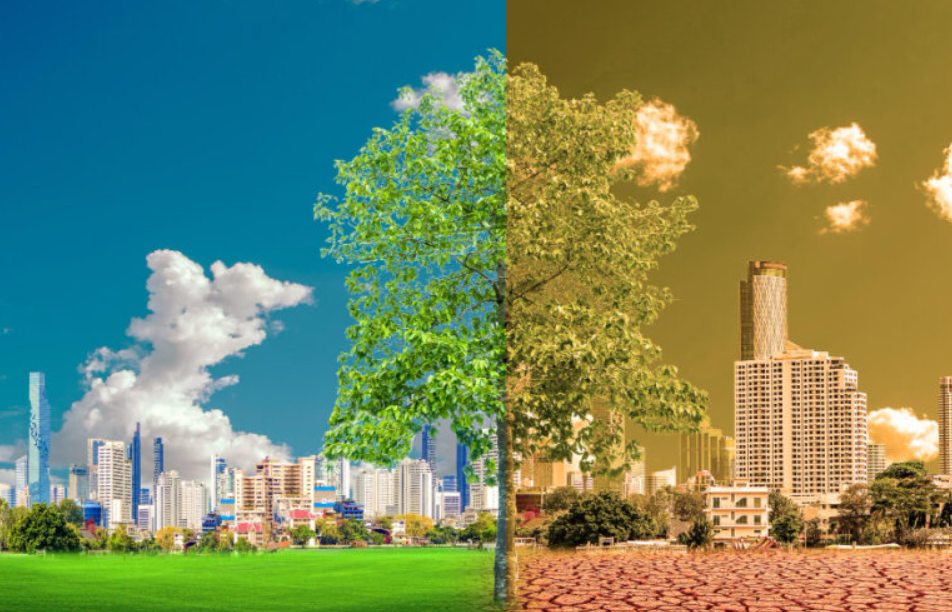
Climate change is one of the most significant global challenges of the 21st century. It refers to long-term changes in the Earth’s climate patterns, primarily caused by human activities such as burning fossil fuels, deforestation, and industrial emissions. These activities increase greenhouse gases in the atmosphere, which trap heat and gradually raise the planet’s temperature.
While climate change is often discussed in terms of global environmental issues, its effects are already influencing everyday life for people around the world. From weather patterns to food production, climate change is shaping how communities live, work, and adapt to new environmental conditions.
Understanding how climate change affects daily life can help individuals and societies take steps toward a more sustainable future.
Rising Temperatures and Heat Waves
One of the most noticeable effects of climate change is the gradual increase in global temperatures. As greenhouse gases accumulate in the atmosphere, they trap heat and cause the planet to warm.
This warming trend leads to more frequent and intense heat waves. In many regions, summers are becoming hotter and longer, making outdoor activities more challenging and increasing the demand for air conditioning.
Extreme heat can also pose health risks, especially for older adults, children, and individuals with certain medical conditions. Heat-related illnesses such as dehydration and heat exhaustion have become more common in areas experiencing prolonged high temperatures.
Changes in Weather Patterns
Climate change also affects weather patterns, leading to more unpredictable and extreme events. Many regions are experiencing stronger storms, heavier rainfall, and more severe flooding.
At the same time, other areas face prolonged droughts that reduce water availability for agriculture and daily use.
These changes in weather patterns can disrupt transportation, damage infrastructure, and affect communities in various ways. As a result, governments and organizations are increasingly investing in climate resilience and disaster preparedness.
Impact on Food Supply
Agriculture is highly dependent on stable climate conditions. Changes in temperature, rainfall patterns, and extreme weather events can significantly affect food production.
For example, droughts can reduce crop yields, while floods can damage farmland and destroy harvests. Rising temperatures can also affect the growth cycles of many crops.
As a result, climate change may lead to fluctuations in food availability and prices. Farmers and agricultural industries are exploring new techniques, such as climate-resistant crops and sustainable farming practices, to adapt to these challenges.
Effects on Water Resources
Water is one of the most essential resources for human life, and climate change is influencing its availability and distribution. In some regions, reduced rainfall and prolonged droughts are causing water shortages.
Meanwhile, melting glaciers and rising sea levels are altering freshwater systems in other parts of the world.
Changes in water availability can affect drinking water supplies, agriculture, and energy production. Communities are increasingly focusing on water conservation and improved management strategies to ensure long-term access to this vital resource.
Health Impacts
Climate change can also have direct and indirect effects on human health. Rising temperatures and changing environmental conditions may increase the spread of certain diseases carried by insects, such as mosquitoes.
Air quality can also be affected by climate change. Higher temperatures can increase air pollution levels, which may worsen respiratory conditions such as asthma.
In addition, extreme weather events can disrupt healthcare systems and increase stress levels among affected communities. Addressing these health risks is becoming an important focus for public health organizations worldwide.
Economic Consequences
The economic impact of climate change is another major concern. Damage caused by extreme weather events, rising sea levels, and environmental degradation can lead to significant financial costs.
Industries such as agriculture, fishing, tourism, and transportation are particularly vulnerable to climate-related disruptions.
At the same time, climate change is also driving growth in new sectors such as renewable energy, sustainable technologies, and environmental innovation. These industries are creating new opportunities while helping reduce environmental impact.
The Role of Individuals
While climate change is a global issue, individual actions can still make a difference. Simple lifestyle choices can contribute to reducing environmental impact.
Examples include:
- Conserving energy at home
- Reducing waste and recycling
- Using public transportation or electric vehicles
- Supporting sustainable products and businesses
Collective efforts from individuals, communities, and governments can help slow the effects of climate change and promote environmental sustainability.
The Importance of Global Cooperation
Because climate change affects the entire planet, international cooperation is essential. Countries around the world are working together through agreements and initiatives aimed at reducing greenhouse gas emissions.
Global efforts such as the Paris Climate Agreement aim to limit global warming and encourage investment in clean energy technologies.
Cooperation between governments, businesses, and scientific communities will play a key role in addressing climate challenges in the coming decades.
Conclusion
Climate change is not just an environmental issue—it is a challenge that affects daily life, economies, health systems, and global stability. Rising temperatures, changing weather patterns, and environmental shifts are already influencing how people live and work around the world.
By understanding the impact of climate change and taking steps toward more sustainable practices, individuals and societies can contribute to protecting the planet for future generations. Addressing climate change requires both global action and everyday awarene