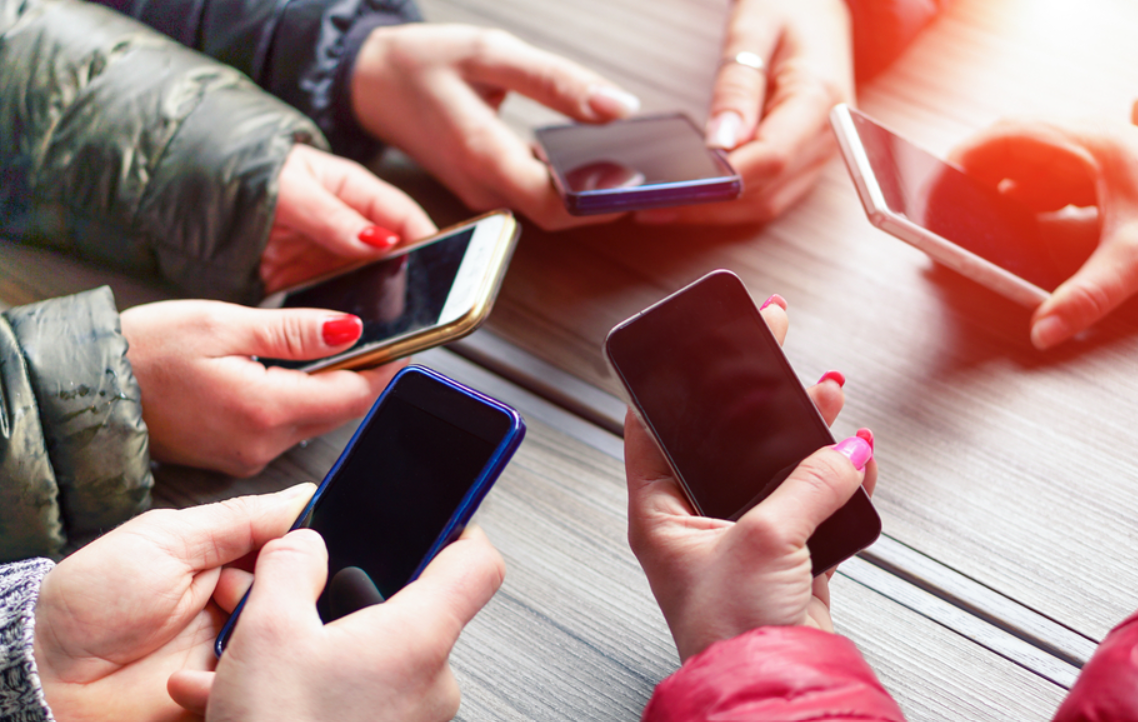
Smartphones have become one of the most widely used technologies in the modern world. Over the past two decades, these devices have transformed how people communicate, access information, and interact with others. What once required letters, landline phones, or physical meetings can now be done instantly through a small device carried in a pocket.
The rise of smartphones has significantly reshaped communication patterns, influencing both personal relationships and professional interactions. While smartphones offer convenience and connectivity, they have also introduced new challenges related to digital behavior and communication habits.
Understanding how smartphones have changed human communication helps us better appreciate both the advantages and potential drawbacks of this powerful technology.
The Evolution of Communication Technology
Before smartphones became common, communication methods were relatively limited. People relied on landline telephones, handwritten letters, and face-to-face conversations to stay connected.
The introduction of mobile phones in the late 1990s allowed people to make calls while on the move. However, these early devices had limited features and were mainly used for voice communication and simple text messages.
The launch of smartphones in the late 2000s introduced advanced capabilities such as internet access, social media applications, video calls, and multimedia messaging. These innovations transformed mobile phones into powerful communication tools.
Instant Messaging and Real-Time Communication
One of the biggest changes brought by smartphones is the ability to communicate instantly. Messaging applications such as WhatsApp, Messenger, Telegram, and iMessage allow users to send text messages, images, videos, and voice notes in real time.
Unlike traditional SMS messages, modern messaging platforms use internet connections, making communication faster and often more affordable.
This instant connectivity has made it easier for people to stay in touch with friends, family members, and colleagues regardless of their location.
The Rise of Social Media Communication
Smartphones have played a major role in the growth of social media platforms. Applications such as Facebook, Instagram, Twitter (X), and TikTok allow users to share updates, photos, and videos with large audiences.
Social media has created new forms of communication that go beyond direct conversations. People now communicate through posts, comments, reactions, and shared content.
This shift has expanded social networks and allowed individuals to connect with communities across the world. However, it has also changed how people present themselves and interact online.
Video Calling and Face-to-Face Interaction
Another major development made possible by smartphones is video communication. Applications such as Zoom, FaceTime, and Google Meet allow people to see and speak with each other in real time, even if they are located in different countries.
Video calls have become especially important for remote work, online education, and maintaining long-distance relationships.
This technology helps recreate some aspects of face-to-face communication by allowing participants to observe facial expressions and body language.
Communication in the Workplace
Smartphones have also transformed communication in professional environments. Employees can now send emails, attend meetings, share documents, and collaborate with coworkers directly from their mobile devices.
Business communication tools such as Slack, Microsoft Teams, and project management apps allow teams to coordinate tasks more efficiently.
While this level of connectivity increases productivity, it can also blur the boundaries between work and personal life, as employees may feel pressure to remain available outside of working hours.
The Influence on Language and Communication Style
Smartphones have influenced how people write and express themselves. Text messaging and social media have encouraged shorter, faster forms of communication.
Emojis, GIFs, and abbreviations have become common tools for expressing emotions and reactions in digital conversations. These visual elements help convey tone and feelings that might otherwise be difficult to express through text alone.
However, some experts believe that heavy reliance on digital communication may reduce the use of formal writing and face-to-face interactions.
Challenges of Smartphone Communication
Despite their many advantages, smartphones also present certain challenges. One common concern is the potential for reduced in-person interaction. People may spend more time communicating through screens rather than engaging in face-to-face conversations.
Excessive smartphone use can also contribute to distractions, reduced attention spans, and digital dependency.
Additionally, online communication sometimes lacks the context and emotional cues present in direct conversations, which can lead to misunderstandings.
The Future of Communication Technology
Communication technology continues to evolve rapidly. Emerging technologies such as augmented reality, virtual reality, and artificial intelligence may further transform how people interact in the future.
Advanced communication tools could create more immersive digital experiences, allowing individuals to collaborate and socialize in entirely new ways.
As technology progresses, balancing digital communication with meaningful personal interaction will remain an important consideration.
Conclusion
Smartphones have fundamentally changed how humans communicate. From instant messaging and social media to video calls and workplace collaboration, these devices have made communication faster, more convenient, and more accessible than ever before.
While smartphones offer many benefits, they also require responsible use to maintain healthy communication habits. By understanding both the advantages and challenges of smartphone technology, individuals can make better decisions about how they interact in an increasingly connected world.