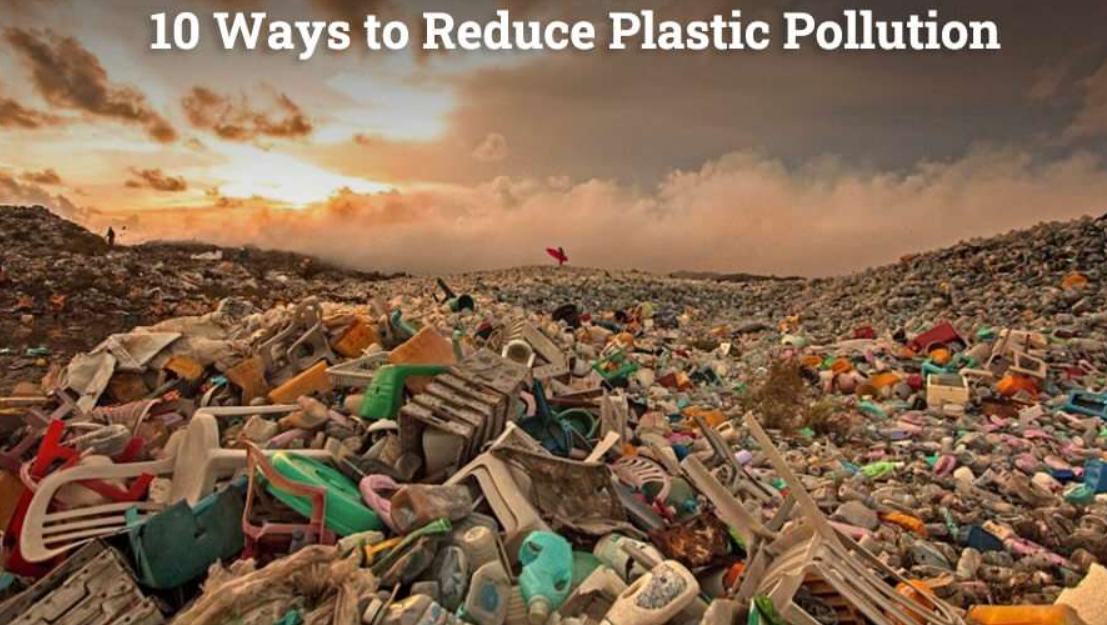
Plastic has become an integral part of modern life. From packaging and bottles to electronics and household items, plastic is widely used due to its durability, low cost, and versatility. However, the environmental consequences of plastic production and disposal are severe.
Plastic pollution affects oceans, wildlife, and human health. Millions of tons of plastic waste are produced annually, with a significant portion ending up in landfills and natural ecosystems. Reducing plastic use and managing waste responsibly are critical steps toward protecting the environment.
This article explores the environmental impact of plastic and provides practical ways to minimize its negative effects.
How Plastic Affects the Environment
1. Pollution of Oceans and Waterways
Plastic waste often ends up in rivers, lakes, and oceans. Marine animals, including fish, turtles, and seabirds, can mistake plastic for food, leading to injury or death. Plastic particles also accumulate in the food chain, affecting human health.
2. Landfill Accumulation
Most plastics do not biodegrade quickly. They can take hundreds of years to break down in landfills, releasing toxic chemicals and contributing to soil pollution.
3. Greenhouse Gas Emissions
Plastic production is heavily reliant on fossil fuels. Manufacturing, transportation, and disposal of plastic release greenhouse gases, contributing to climate change.
4. Microplastics
Over time, large plastic items break into microplastics, tiny particles that infiltrate soil, water, and air. Microplastics are ingested by wildlife and humans, raising health concerns.
Common Sources of Plastic Pollution
- Single-use plastic bags and packaging
- Plastic bottles and straws
- Food containers and cutlery
- Plastic wrap and shopping bags
- Disposable electronics and household items
Awareness of common sources helps individuals make informed decisions to reduce plastic consumption.
Practical Ways to Reduce Plastic Use
1. Use Reusable Alternatives
- Bring reusable bags, bottles, and containers
- Use metal or bamboo straws instead of plastic
- Opt for refillable cleaning and personal care products
2. Choose Sustainable Packaging
- Buy products in glass, cardboard, or biodegradable packaging
- Support brands that use eco-friendly materials
3. Recycle Properly
- Separate recyclable plastics from general waste
- Follow local recycling guidelines to ensure proper processing
4. Avoid Single-Use Plastics
- Limit disposable items like plastic cutlery, straws, and plates
- Choose bulk purchases over individually packaged products
5. Participate in Clean-Up Activities
- Volunteer for local beach, park, or neighborhood clean-ups
- Encourage community awareness about plastic pollution
The Role of Governments and Companies
Governments and corporations play a vital role in reducing plastic pollution. Measures may include:
- Implementing plastic bans or taxes on single-use plastics
- Encouraging eco-friendly packaging alternatives
- Supporting recycling infrastructure and waste management
- Funding research for biodegradable plastics and sustainable materials
Collective efforts from authorities, businesses, and individuals are necessary to address the plastic pollution crisis effectively.
Benefits of Reducing Plastic
Reducing plastic usage offers multiple benefits:
- Protects wildlife and marine ecosystems
- Reduces greenhouse gas emissions and environmental footprint
- Minimizes exposure to harmful chemicals in plastics
- Encourages sustainable consumption habits
By making conscious choices, individuals contribute to a cleaner, healthier planet.
Educating the Next Generation
Education and awareness are crucial for long-term solutions. Teaching children about the environmental impact of plastic encourages responsible habits from an early age. Schools, community programs, and media campaigns can play a key role in fostering environmental stewardship.
Conclusion
Plastic is convenient but has significant environmental consequences. Pollution, microplastics, and greenhouse gas emissions are just a few of the issues associated with widespread plastic use.
By reducing reliance on single-use plastics, recycling responsibly, supporting sustainable alternatives, and raising awareness, individuals and communities can make a meaningful impact. Protecting the environment requires collective action, and small changes in daily habits can contribute to a healthier, more sustainable world.