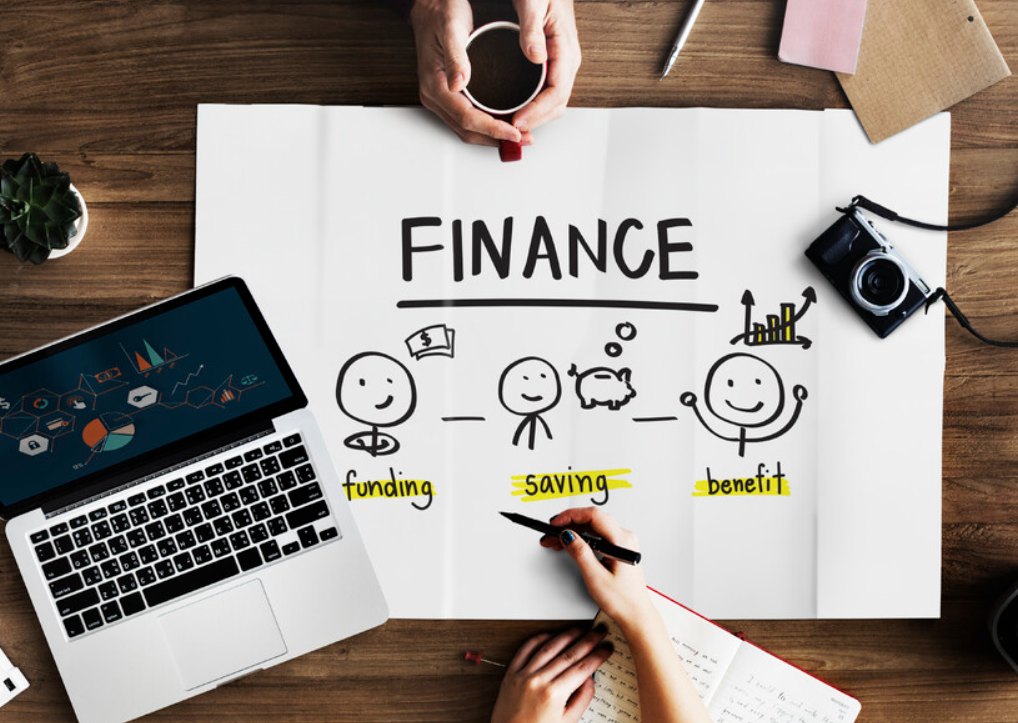
Personal finance is the practice of managing your money to meet your financial goals and secure your future. It includes activities such as budgeting, saving, investing, and planning for retirement. Understanding the basics of personal finance is essential for everyone, regardless of age or income level.
Good financial habits can help reduce stress, avoid debt, and prepare for unexpected expenses. Even small steps taken consistently can have a significant impact over time. This article provides a beginner-friendly guide to the fundamentals of personal finance.
Why Personal Finance Matters
Managing personal finances effectively allows individuals to make informed decisions about spending, saving, and investing. Poor financial management can lead to debt, financial insecurity, and missed opportunities.
By understanding key financial concepts, individuals can:
- Set realistic goals
- Build emergency savings
- Make better purchasing decisions
- Plan for long-term financial security
Good personal finance practices create a strong foundation for both short-term needs and long-term aspirations.
Creating a Budget
A budget is a plan that tracks income and expenses over a specific period. It helps ensure that spending aligns with financial goals.
Steps to create a simple budget:
- Calculate income: Include all sources of money, such as salary, side income, and investments.
- List expenses: Track monthly expenses, including bills, groceries, transportation, and entertainment.
- Identify spending patterns: Analyze where money is being spent and identify areas to cut costs.
- Set limits: Allocate specific amounts for each category and stick to them.
- Review regularly: Adjust the budget as needed to stay on track.
A budget provides clarity and helps prevent overspending.
Saving Money
Saving money is an essential part of personal finance. It allows individuals to prepare for emergencies, achieve goals, and invest for the future.
Tips for effective saving:
- Start with a small, consistent amount each month.
- Set up an emergency fund covering 3–6 months of living expenses.
- Automate savings to ensure consistency.
- Avoid unnecessary expenses and impulse purchases.
Even modest savings can grow significantly over time when managed wisely.
Managing Debt
Debt can be a useful tool if managed responsibly, but excessive debt can lead to financial stress. Common types of debt include credit card debt, student loans, mortgages, and personal loans.
Tips for managing debt:
- Pay off high-interest debts first.
- Make consistent payments on all debts.
- Avoid accumulating unnecessary new debt.
- Consider debt consolidation or financial advice if needed.
Managing debt responsibly is essential for maintaining financial stability.
Understanding Credit Scores
A credit score is a numerical representation of an individual’s creditworthiness. It affects the ability to borrow money, qualify for loans, and even rent an apartment.
Factors affecting credit scores:
- Payment history
- Outstanding debt
- Length of credit history
- Types of credit accounts
- Recent credit inquiries
Maintaining a good credit score by paying bills on time and managing debt responsibly can improve financial opportunities.
Basics of Investing
Investing allows money to grow over time and build long-term wealth. Beginners should start with a basic understanding of investment options:
- Stocks: Ownership in a company, offering potential growth but with higher risk.
- Bonds: Loans to governments or corporations, offering steady returns with lower risk.
- Mutual Funds: A combination of stocks and bonds managed by professionals.
- Retirement Accounts: Accounts such as 401(k) or IRA that provide tax advantages for long-term saving.
Investing should align with personal financial goals, risk tolerance, and time horizon.
Planning for Retirement
Retirement planning ensures that individuals can maintain their lifestyle after leaving the workforce. Starting early allows savings to grow through compound interest.
Steps to plan for retirement:
- Set retirement goals and estimate expenses.
- Contribute regularly to retirement accounts.
- Diversify investments to manage risk.
- Review and adjust the plan periodically.
Early and consistent planning provides financial security in later years.
Tips for Beginners
- Track all expenses: Awareness of spending patterns is the first step to financial control.
- Avoid lifestyle inflation: As income grows, avoid increasing spending unnecessarily.
- Educate yourself: Read books, follow financial blogs, and learn from experts.
- Set realistic goals: Short-term and long-term goals help maintain focus and motivation.
- Stay disciplined: Consistency in budgeting, saving, and investing leads to long-term success.
Conclusion
Personal finance is an essential skill for living a secure and stress-free life. By learning the basics of budgeting, saving, debt management, investing, and retirement planning, individuals can take control of their financial future.
Even small, consistent efforts can build wealth, reduce financial stress, and create opportunities for long-term growth. Understanding and practicing personal finance is a lifelong journey that benefits everyone, regardless of income or age.